← The Bosnian Genocide / Themes & Analysis
The principal figures of the genocide and the courts that judged them
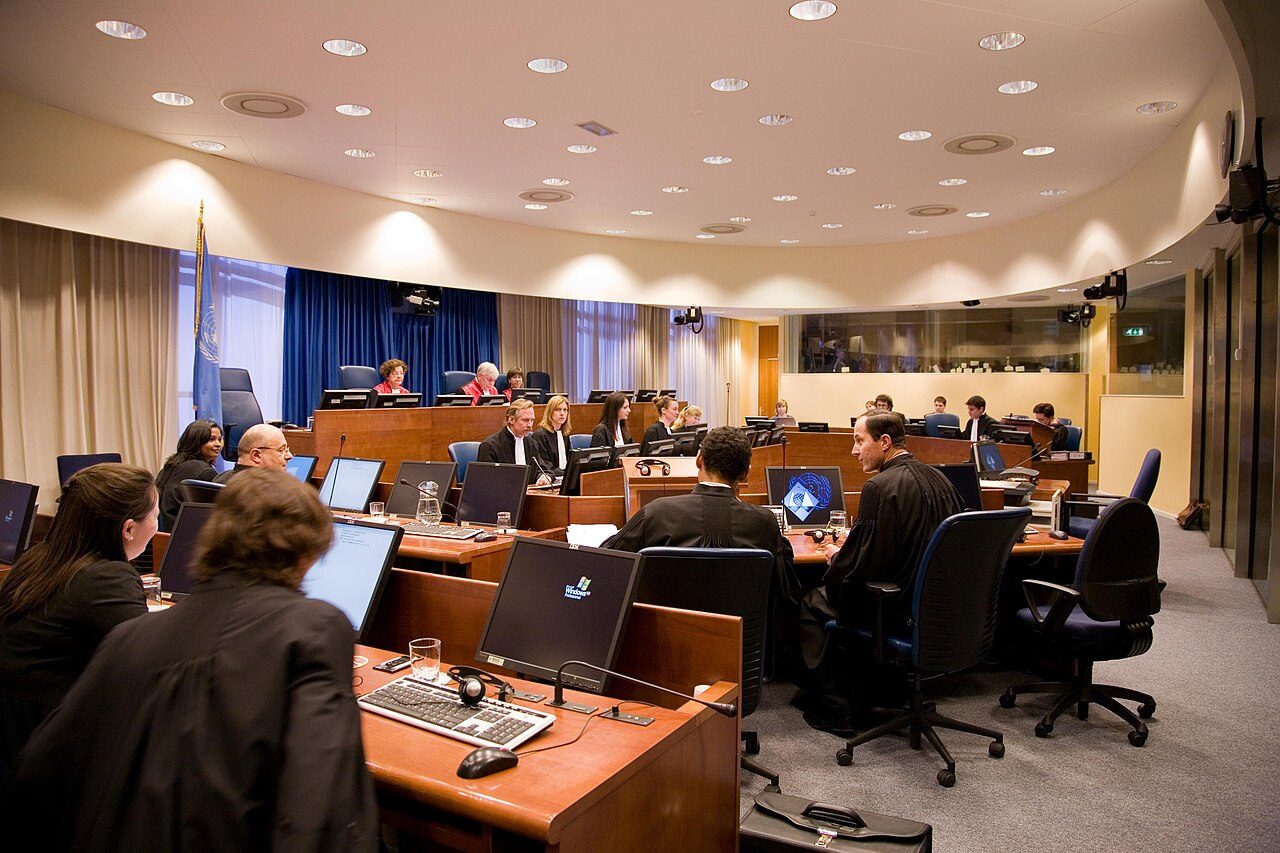
Justice for the Bosnian genocide was pursued on three levels: the International Criminal Tribunal for the former Yugoslavia (the architects and major perpetrators), the International Court of Justice (state responsibility), and the national War Crimes Chambers of Bosnia, Serbia, and Croatia (the larger number of lower-ranking perpetrators). What follows is a guide to the principal figures, grouped by role and linked to the places where their crimes were committed. Sentences are given as finally imposed; some were adjusted on appeal.
Radovan Karadžić — President of Republika Srpska. Convicted by the ICTY (2016) of genocide at Srebrenica, persecution, extermination, and the terror of the siege of Sarajevo. Life imprisonment.
Ratko Mladić — Commander of the VRS. Convicted (2017) of genocide at Srebrenica and crimes across Bosnia. Life imprisonment.
Slobodan Milošević — President of Serbia. Tried by the ICTY for genocide and crimes against humanity; died in custody in 2006 before a verdict.
Radoslav Brđanin — President of the Autonomous Region of Krajina crisis staff. Convicted of persecution, torture, and deportation across the Bosanska Krajina. 30 years (reduced to a long term on appeal).
Biljana Plavšić — member of the RS presidency; pleaded guilty to persecution (2003), the only senior leader to do so.
Radislav Krstić — VRS Drina Corps commander; the first person convicted of genocide for Srebrenica (aiding and abetting, on appeal). 35 years.
Vujadin Popović and Ljubiša Beara — VRS security officers; convicted of genocide for Srebrenica. Life.
Milan Lukić — paramilitary leader at Višegrad; life imprisonment for the Pionirska Street and Bikavac fires and other murders.
Dragan Nikolić — commander of the Sušica camp; subject of the ICTY's first indictment. 20 years (18 on appeal).
Miroslav Deronjić — ordered the Glogova massacre at Bratunac. 10 years.
The "Scorpions" — the Serbian paramilitary unit filmed executing six captives near Trnovo; commander Slobodan Medić sentenced to 20 years in Belgrade.
Milomir Stakić — head of the Prijedor crisis staff; extermination and persecution (Omarska, Keraterm, Trnopolje). 40 years (reduced on appeal).
Duško Tadić — the ICTY's first trial, for crimes in the Prijedor camps.
Dragoljub Kunarac, Radomir Kovač, Zoran Vuković — the Foča "rape camp" case; the landmark conviction for rape and enslavement as crimes against humanity.
Goran Jelisić — commander of the Luka camp at Brčko. 40 years (acquitted of genocide on the question of intent).
Blagoje Simić — persecution at Bosanski Šamac. 15 years.
Ratko Bundalo — VRS commander at Kalinovik; convicted by the Court of BiH. 19 years.
Dušan Janković — ordered the Korićani Cliffs massacre; 27 years (Court of BiH).
Stanislav Galić — VRS Sarajevo-Romanija Corps commander; the terror campaign of the siege of Sarajevo. Life.
Dragomir Milošević — his successor; the 1994–95 campaign and the second Markale massacre. 29 years.
Novak Đukić — VRS officer responsible for the Tuzla Kapija shelling. 25 years (Court of BiH).
Dario Kordić — political leader of the central-Bosnian Croats; authorized the Ahmići massacre. 25 years.
Tihomir Blaškić — HVO regional commander; convicted in connection with the Lašva Valley crimes.
Jadranko Prlić and the Herzeg-Bosnia leadership (Stojić, Praljak, Petković, Čorić, Pušić) — convicted of a joint criminal enterprise against the Bosniaks of Mostar and Herzegovina. Slobodan Praljak took poison in the courtroom on hearing his appeal dismissed in 2017.
Ivica Rajić — commanded the Stupni Do massacre. 12 years.
The record is, by the standards of international justice, extraordinary: heads of state, generals, camp guards, and paramilitaries judged in open court on tested evidence, the genocide established as adjudicated fact. Yet the limits are equally real. Many perpetrators — including members of Arkan's Tigers, never tried — escaped justice entirely; some sentences strike survivors as incommensurate with the crimes; and the political leadership of the entity built by the cleansing continues to honour convicted men. Justice named the perpetrators and fixed the facts beyond reasonable denial; it did not, and could not, undo the destruction or compel a shared acknowledgment of it. That unfinished work belongs to the contest over memory.
IRMCT / ICTY case archive — judgments and case information sheets for all the above. Available at: irmct.org
Court of Bosnia and Herzegovina, War Crimes Chamber — national prosecutions (Bundalo, Janković, Đukić, and others).
See The ICTY and the Law of Genocide for the legal framework, and the place pages for full citations.