← The Bosnian Genocide / Central Bosnia · Croat–Bosniak war
The HVO massacre of a small mining village near Vareš
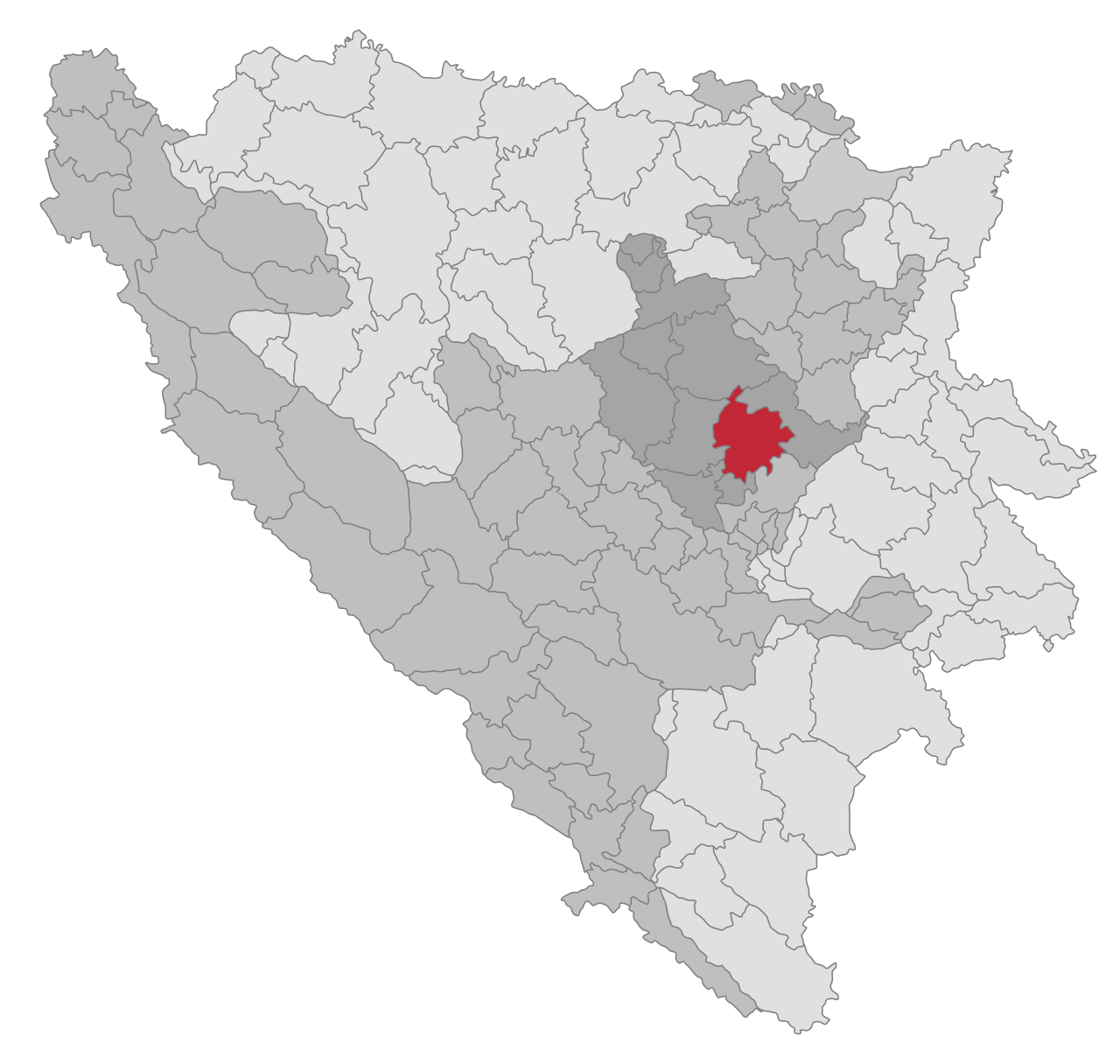
Stupni Do was a small Bosniak mining village in the municipality of Vareš, in central Bosnia. On 23 October 1993, in the final phase of the Croat–Bosniak war, it was attacked and destroyed by HVO units — the formations known as "Apostoli" and "Maturice" — under the command of Ivica Rajić. Of roughly 150 villagers, 38 were killed; many of the bodies were burned beyond recognition, and the village was looted and razed. The dead included entire families, among them many members of the Likić family.
Rajić ordered HVO forces to attack Stupni Do and the neighbouring Bogoš hill, and to detain military-age Muslim men in the town of Vareš. The assault on the village was not a battle but a massacre: soldiers killed civilians in their homes, committed sexual assaults, and set the village ablaze. A witness who reached Stupni Do in the aftermath described houses still smouldering and around twenty bodies burned beyond recognition, some of them children. The killing of Stupni Do, coming six months after Ahmići, demonstrated that the targeting of Bosniak villages in central Bosnia continued through 1993.
Prosecutor v. Ivica Rajić (IT-95-12) — the HVO commander who ordered the attack pleaded guilty in 2005–2006 to grave breaches of the Geneva Conventions, including wilful killing, inhuman treatment (encompassing sexual assault), and the appropriation and destruction of property not justified by military necessity. He was sentenced to 12 years' imprisonment and granted early release in 2011. The crimes at Stupni Do also featured in the broader account of HVO conduct in the Prlić proceedings.
Stupni Do is the village massacre in its starkest form: a single hamlet, a single day, dozens dead, the place erased. Its inclusion here matters because the Bosnian war was, in large part, the sum of such local annihilations. The grand strategic narratives of corridors and enclaves rest on a foundation of destroyed villages whose names — Stupni Do, Glogova, Biljani — would be unknown but for the killing. To remember the war honestly is to keep these small places in view alongside the famous ones.
Rajić's guilty plea is instructive. It produced an authoritative admission that the attack was ordered — that Stupni Do was the result of command decisions, not chaos. Yet the modest 12-year sentence and the early release illustrate a persistent tension in international justice: the gap between the gravity of the crime and the punishment ultimately served. For the survivors of Stupni Do, as for many victims across this catalogue, the acknowledgment of guilt and the measure of the sentence have often felt incommensurate with the loss.
Ferida Likić took shelter with her husband Mehmed, their children, and neighbours in a basement when the HVO attacked Stupni Do on 23 October 1993. They heard footsteps and curses overhead and calls to surrender; then "a man with blood-shot eyes" set the house alight. Reasoning that it was better to die from a bullet than to burn, Ferida broke down the door and escaped; from the UNPROFOR negotiations she overheard, she learned that Ivica Rajić commanded the attackers. Another survivor, Mulija Likić, woke to the shelling and fled toward the woods with her baby. Rajić later pleaded guilty before the Tribunal.
Sources: IWPR — Bosnian Village Relives Wartime Trauma; IRMCT — Stupni Do Crimes.
"Stupni Do massacre," Wikipedia. Available at: https://en.wikipedia.org/wiki/Stupni_Do_massacre
IRMCT, "Stupni Do Crimes" (feature). Available at: irmct.org — Stupni Do Crimes
Balkan Insight, "Bosnians Mourn on Anniversary of Stupni Do Villagers' Massacre" (2020). Available at: balkaninsight.com — Stupni Do
See also the ICTY judgment in Prosecutor v. Rajić (IT-95-12), accessible through the IRMCT case archive, and the related entry on Ahmići.