← The Bosnian Genocide / Eastern Bosnia · Srebrenica
The Scorpions execution video — the filmed proof that tied Serbia's paramilitaries to the Srebrenica genocide
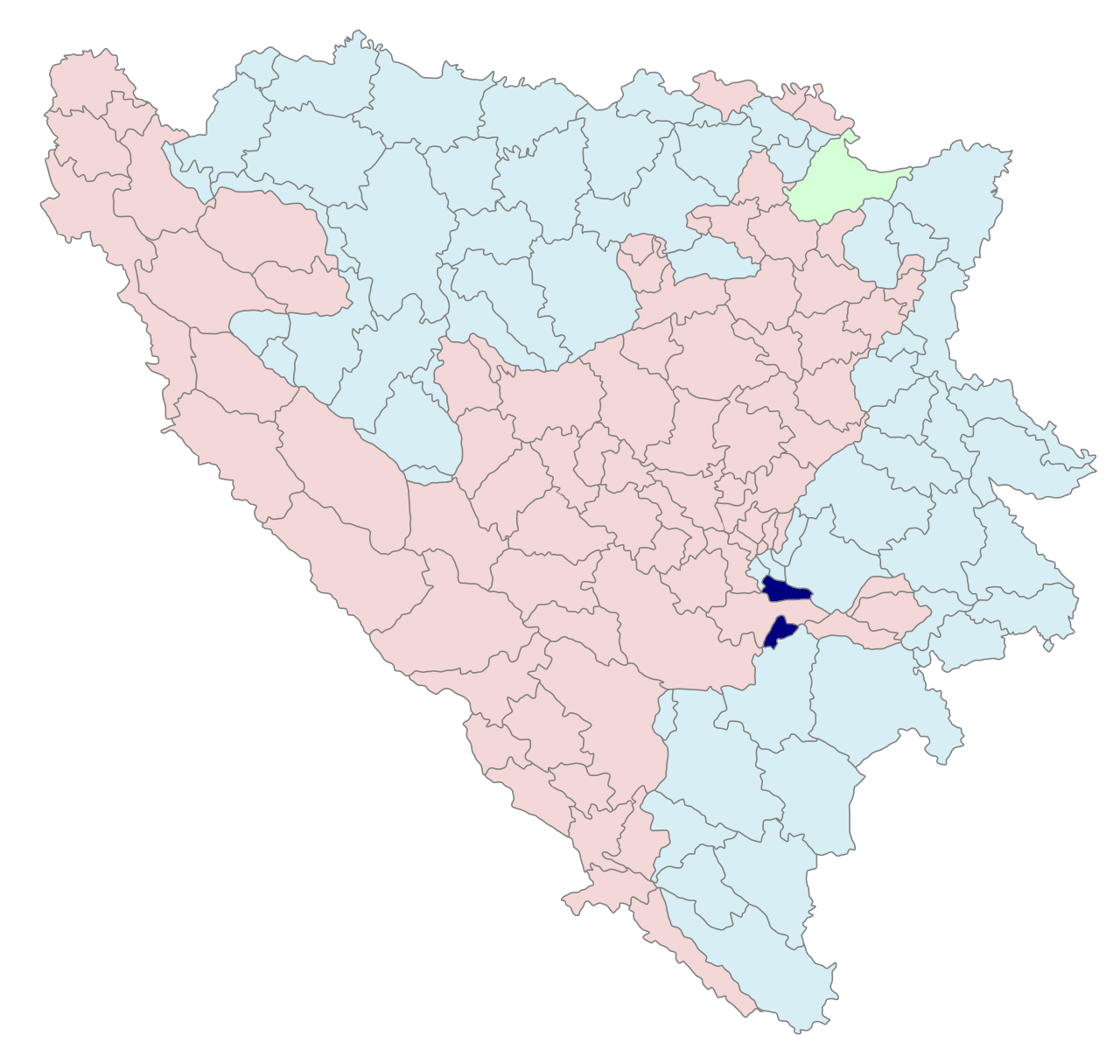
In the days after the fall of Srebrenica in July 1995, a Serbia-based paramilitary unit known as the "Scorpions" took part in the killing of Bosniak captives. Near the town of Trnovo, southeast of Sarajevo, six males from Srebrenica — three of them under the age of eighteen — were taken from a truck, marched to a clearing, insulted, and shot. The murders were recorded on video by a member of the unit. A decade later that footage, broadcast in 2005, became one of the most important single pieces of evidence of the genocide — and of the involvement of forces from Serbia proper in it.
The recording shows Scorpions fighters, some in red berets, removing the six prisoners from a truck and leading them to a wooded spot near Trnovo, taunting them along the way. Four are shot in the back and then, at close range, in the head. The two survivors are forced to carry the bodies of the dead into a derelict house, where they too are murdered. The victims — Safet Fejzić, Azmir Alispahić, Sidik Salkić, Smail Ibrahimović, Dino Salihović, and Juso Delić — were among the many thousands killed in the days after Srebrenica fell. The tape was kept for years as a grim trophy before a copy reached the Serbian human-rights activist Nataša Kandić and the ICTY.
Fragments of the Trnovo video were first played in the trial of Slobodan Milošević and again in the case against the Serbian State Security chiefs Jovica Stanišić and Franko Simatović, where it helped document the relationship between Belgrade's security apparatus and the paramilitaries operating in Bosnia. In Serbia itself, the Belgrade War Crimes Chamber convicted several members of the unit: the commander Slobodan Medić ("Boca") was sentenced to 20 years, Branislav Medić and Milorad Momić to 15 years each, Slobodan Davidović to 15 years, and Petar Petrašević, who admitted guilt, to 13.
The Trnovo video occupies a unique place in the evidentiary history of the genocide. Most atrocities of the war are known through testimony, forensics, and documents — powerful, but vulnerable to the denialist's claim of fabrication or exaggeration. Trnovo is different: it is the crime itself, filmed by its perpetrators, in colour, with the killers' faces and the victims' names. Its broadcast on Serbian television in 2005 forced a moment of public reckoning in Serbia that years of court findings had not. It stands as a demonstration that, occasionally, the visual record can pierce a wall of denial that argument cannot.
The Scorpions were not a local Bosnian Serb formation but a unit raised and supported from Serbia, tied to the Serbian Interior Ministry. Their presence at the Srebrenica killings is among the most direct evidentiary links between the genocide on Bosnian soil and the state apparatus of Serbia — the question at the heart of the ICJ's 2007 judgment. Trnovo thus matters far beyond its six victims: it is a strand in the long, still-contested inquiry into how far responsibility for the genocide extended across the Drina.
That three of the six were children compresses the meaning of the whole genocide into a single, unbearable scene. The selection and murder of boys — killed for their sex and their ethnicity, with no pretence of military purpose — is the same logic that produced the mass graves of Srebrenica, here rendered in close-up. To watch the Trnovo video is to understand, without abstraction, what the word "genocide" describes.
Balkan Insight, "UN Court Screens Video of Serbian Unit Shooting Bosniaks" (2017). Available at: balkaninsight.com — Scorpions video
Sciences Po, Mass Violence and Resistance, "The Srebrenica Massacre (July 11–16, 1995)." Available at: sciencespo.fr — Srebrenica massacre
"Nineteen Minutes of Horror: Insights from the Scorpions Execution Video," Genocide Studies and Prevention (USF). Available at: digitalcommons.usf.edu — Nineteen Minutes of Horror
See also the ICTY judgment in Prosecutor v. Stanišić & Simatović (IT-03-69) and the related entry on Srebrenica.