← The Bosnian Genocide / Sarajevo · the suburban ring
The cleansing of the Serb-held suburbs around the besieged capital, and the camps where Bosniaks were detained and worked to death on the front lines
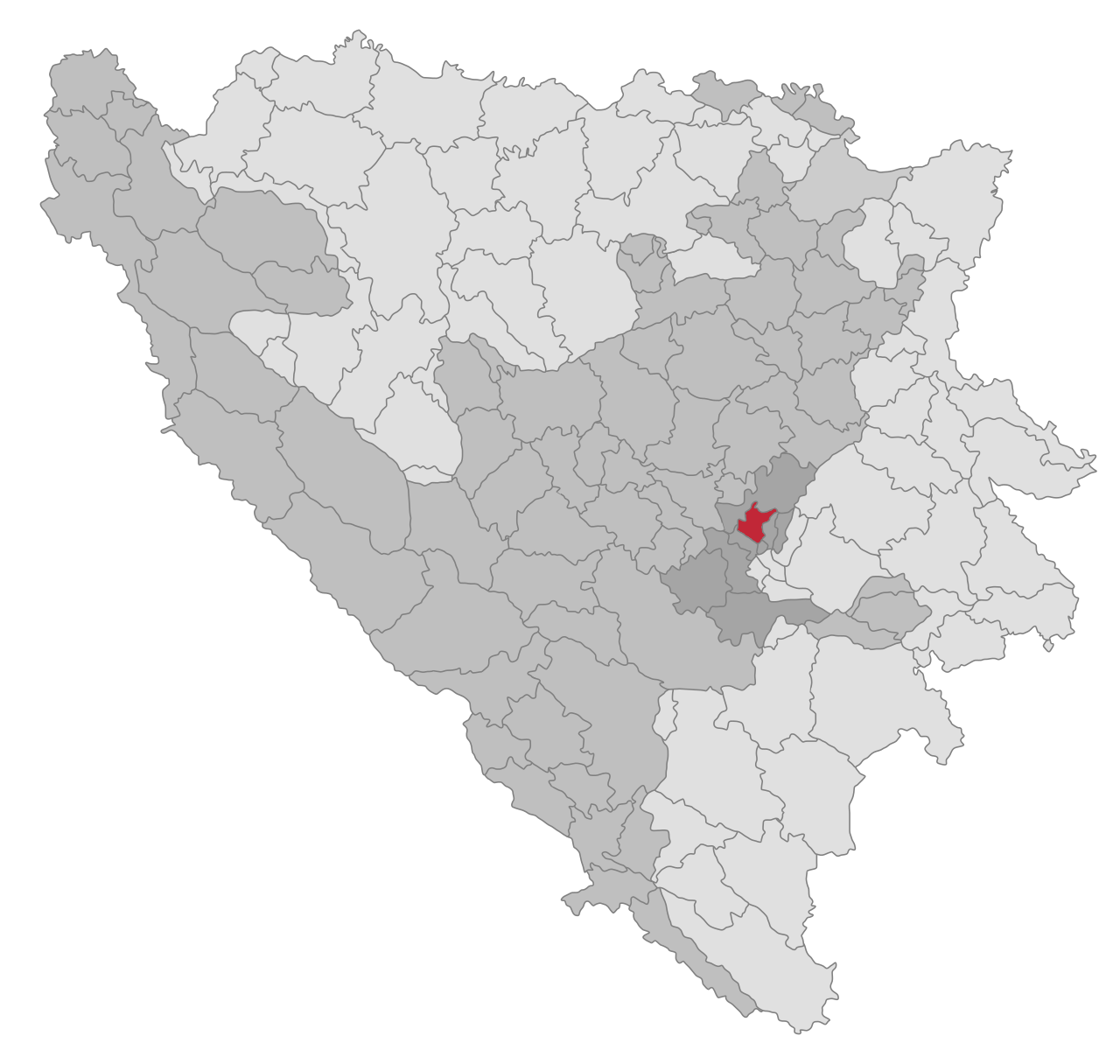
The siege of Sarajevo had an inner face: the ring of suburban municipalities held by Bosnian Serb forces around the encircled city. In Vogošća and Ilijaš, to the north, the resident Bosniak populations were not merely caught in the siege but subjected to the same campaign of detention, forced labour, and expulsion seen across Serb-controlled Bosnia. The most notorious site was "Planjo's House" at Svrake in Vogošća, where Bosniak detainees were held, abused, and exploited as labour and as human shields for the forces besieging Sarajevo.
At Planjo's House (Planjina kuća) and associated facilities in Vogošća, managed by Branko Vlačo, Bosniak prisoners were held in squalid conditions and put to forced labour of the most dangerous kind: digging trenches and fortifications on the front lines under fire, cutting wood, and burying the bodies of the dead — including, at times, the bodies of fellow detainees. Prisoners were also used as human shields. The pattern recurred across the Serb-held ring, binding the suburban municipalities into the machinery of the siege: the labour and bodies of the captive Bosniak population were spent in the service of the forces bombarding the city below.
Branko Vlačo, the manager of the Vogošća detention facilities, was prosecuted before the War Crimes Chamber of the Court of Bosnia and Herzegovina for the unlawful detention, abuse, and forced labour of Bosniak civilians. The crimes of the Sarajevo ring — detention, forced labour, the use of human shields, and the expulsion of the suburban Bosniak population — also formed part of the comprehensive case against the Bosnian Serb leadership in Karadžić and Mladić.
The story of Sarajevo is usually told from within the encirclement — the shells falling on the trapped city. Vogošća and the suburban ring reveal the other side of the line. The territory from which the city was bombarded was not empty; it contained Bosniak communities that were themselves cleansed, and detention camps whose prisoners were forced to build the very fortifications used to maintain the siege. Understanding the ring corrects a partial picture: the siege of Sarajevo was not only an assault on a city from outside but a campaign of cleansing within the besieging zone itself.
The use of detainees to dig trenches on active front lines, and as human shields, places Vogošća alongside Doboj in the catalogue of the war's gravest violations. It is doubly criminal: it exploits captive civilians as expendable labour, and it deliberately exposes them to death in combat for the protection of their captors. That prisoners were also made to bury the dead — sometimes their own — completes a portrait of total instrumentalization, in which the captive human being is reduced entirely to a resource to be used up.
Survivors of Planjina kuća — Planjo's House — described a particular cruelty in the forced labour: they were made to rebuild their own homes for other people to live in, to dig trenches on the front line, and to work in a nearby factory, all under beatings and torture. The camp's manager, Branko Vlačo, was charged with the killings, torture, mental abuse, forced labour, and enforced disappearance of twenty-seven prisoners held there between 16 and 18 June 1992 — crimes whose victims, in several cases, were never seen again.
Sources: UN Human Rights Committee, Selimović et al. v. Bosnia and Herzegovina (Communication No. 2003/2010); War Crimes Chamber, Court of Bosnia and Herzegovina.
Balkan Insight / BIRN, "Witnesses Recall Slaps by Branko Vlaco" and related reporting on the Vogošća (Planjo's House) case. Available at: balkaninsight.com — Vogošća / Branko Vlaco
See also the related entries on the Siege of Sarajevo and Doboj, and the ICTY judgments in Prosecutor v. Karadžić (IT-95-5/18) and Prosecutor v. Mladić (IT-09-92).