← The Bosnian Genocide / Bosanska Krajina
The cleansing of a Krajina municipality and the massacre of more than 200 Bosniaks at Biljani
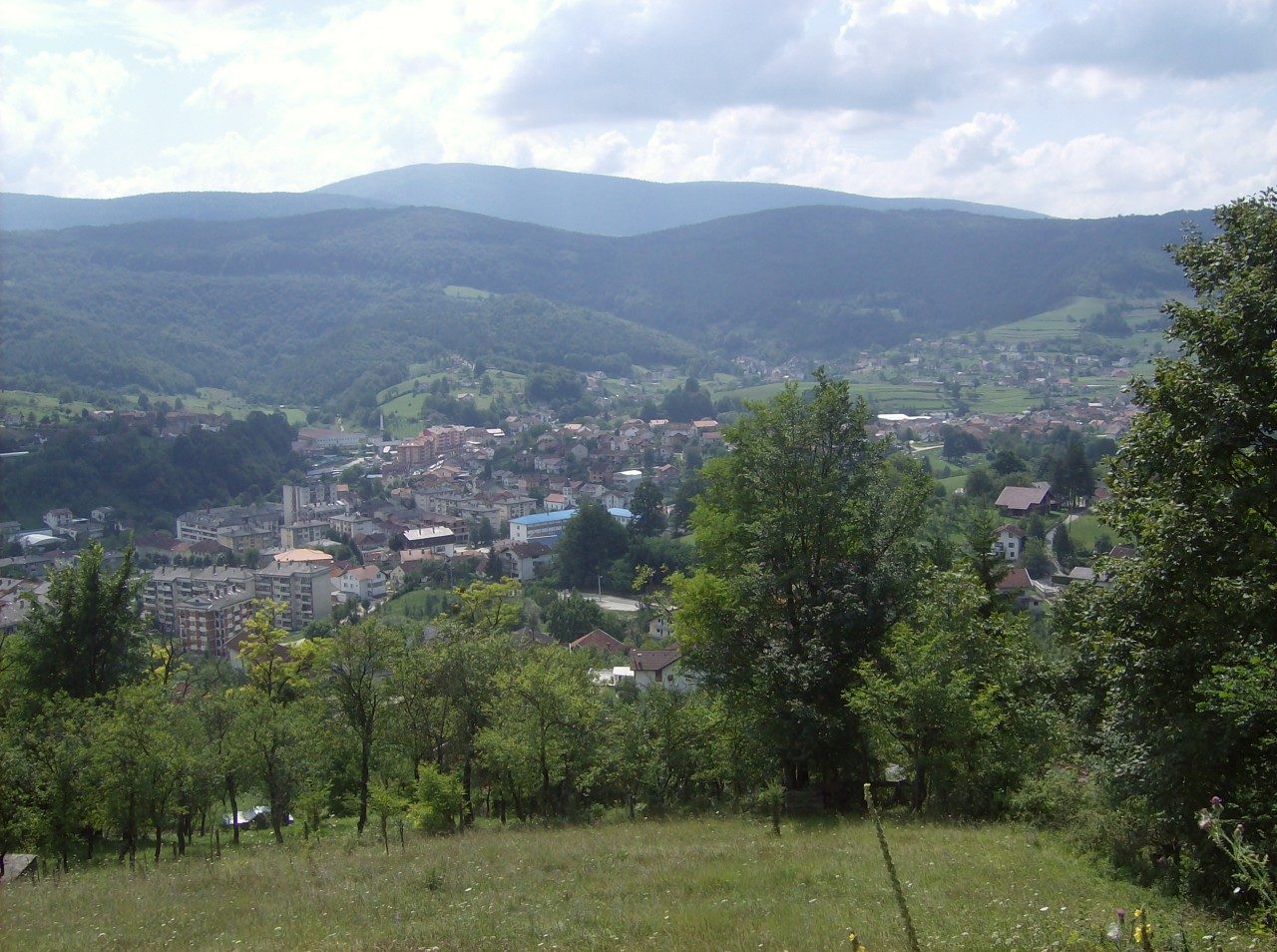
The municipality of Ključ, in the upper Sana valley, was among the Krajina municipalities subjected to violent ethnic cleansing in the summer of 1992. After the Serb takeover, Bosniak villages were shelled and attacked, men were detained, and the population was driven out. The defining atrocity of Ključ took place in the village of Biljani on 10 July 1992, when Bosnian Serb forces killed more than 200 Bosniak civilians in a single day — among them, it is recorded, a four-month-old infant.
On 10 July 1992, Serb forces entered Biljani and the surrounding hamlets, separated the men, and carried out mass executions. More than 200 Bosniak civilians were killed — one of the deadliest single-day massacres of the 1992 Krajina campaign. The killings at Biljani were part of a wider pattern across Ključ: civilians were also killed at Pudin Han, Velagići, and Prhovo, and survivors were expelled or sent to detention, including to the Manjača camp near Banja Luka. As elsewhere in the region, mosques and Bosniak homes were systematically destroyed.
The crimes in Ključ, including the Biljani massacre, were established as part of the systematic ARK-wide campaign in the ICTY cases against Radoslav Brđanin (the senior ARK political figure, convicted of persecution and related crimes in 2004), Ratko Mladić, and Radovan Karadžić. Lower-ranking perpetrators have been prosecuted before the War Crimes Chamber of the Court of Bosnia and Herzegovina.
Ključ cannot be understood in isolation from the Autonomous Region of Krajina, the supra-municipal structure through which the cleansing of northwestern Bosnia was coordinated from Banja Luka. The near-simultaneous campaigns in Ključ, Sanski Most, Prijedor, and Bosanski Novi — the shared use of the Manjača camp, the identical sequence of disarmament, detention, killing, and expulsion — reveal the ARK as the administrative engine of a regional genocide-in-effect. The conviction of Brđanin for crimes across the whole region, rather than for any single act of his own hand, reflects this: he was condemned as the manager of a machine.
The recorded killing of a four-month-old child at Biljani is the kind of detail that resists analysis and demands only to be remembered. Yet it also carries analytical weight: the murder of infants is among the clearest indicators that a campaign aims not merely at military advantage or even at expulsion, but at the destruction of a group's capacity to continue. Where the very young are killed, the logic at work is the logic of ensuring that the community has no future in that place.
On 10 July 1992, in the village of Biljani, some 258 men, women, and children were killed in a single day; bulldozers were used to clear the bodies. The youngest victim was a four-month-old girl, Amila Džaferagić, born that leap-year February; she was killed by a gunshot to the head, and two pacifiers were found beside her body. She was identified, years later, by her father. Survivors recalled that the killers were not strangers but neighbours from the surrounding villages. To this day only one person has been convicted of the Biljani massacre.
Sources: Sarajevo Times — Witnesses to the Biljani Massacre; Balkan Insight — "Clean-Up Operation".
"Bosnian genocide," Wikipedia (Biljani massacre and ARK campaign). Available at: https://en.wikipedia.org/wiki/Bosnian_genocide
Balkan Insight, "'Clean-Up Operation': Looking for Bosnian Massacre Suspects, 30 Years On" (2022). Available at: balkaninsight.com — Clean-Up Operation
See also the ICTY judgment in Prosecutor v. Brđanin (IT-99-36), accessible through the IRMCT case archive, and the related entries on Prijedor and Sanski Most.