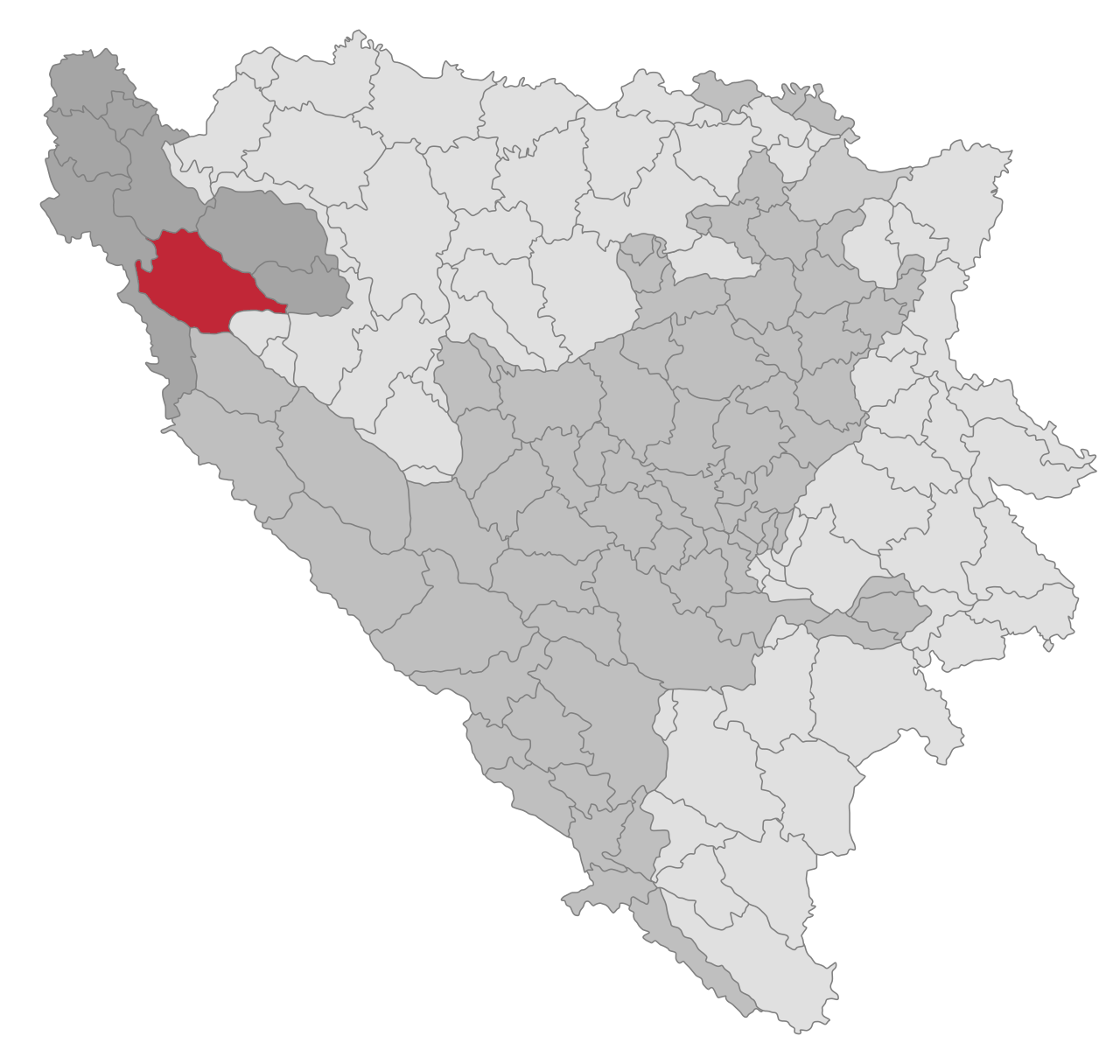
Location of the Bosanski Petrovac municipality within Bosnia and Herzegovina
Location of the Bosanski Petrovac municipality in the western Bosanska Krajina. Map: Julian Nyča · CC BY-SA 3.0 · via Wikimedia Commons

At a glance

Location
Bosanski Petrovac, northwestern Bosnia (Bosanska Krajina, ARK)
Period
Spring–summer 1992
Perpetrators
The JNA and the VRS, with Bosnian Serb police
Victims
Bosniak civilians
Detention
The Kozila forest estate — some 80 Bosniak civilians held from early July 1992
Outcome
The municipality's Bosniak population was almost entirely expelled
Legal status
Crimes against humanity, persecution
Key cases
Part of the ARK persecution case (Brđanin); Mladić

Summary

Bosanski Petrovac, a small municipality in the western Bosanska Krajina with a substantial Bosniak community, was incorporated into the Serb-controlled Autonomous Region of Krajina and cleansed of its non-Serb population in 1992. Bosniaks were dismissed from work, harassed, detained, and expelled; their homes and the town's mosques were destroyed. The principal documented place of detention was the Kozila forest estate outside the town, where some eighty Bosniak civilians were held under JNA and VRS control from the beginning of July 1992.

The Kozila Camp

The Kozila camp, a forestry estate turned detention site, is characteristic of the improvised but systematic detention network of the Krajina: a remote, hidden facility where men could be held, exploited for labour, and abused away from any outside scrutiny. The roughly eighty Bosniak civilians detained there were part of the wider clearing of Bosanski Petrovac, which left the municipality almost without its Bosniak inhabitants by the end of the summer. Like so many such places, Kozila was reclaimed for its original use after the war and long went unmarked; peace activists drew attention to it in 2018 as one of the countless unmemorialized sites of atrocity across the country.

Scholarly Analysis

The unmarked site

Bosanski Petrovac and its Kozila camp raise the problem of memory that haunts the smaller sites of the genocide. The famous camps — Omarska, Trnopolje — are at least named and known. But the campaign was conducted through hundreds of lesser facilities, most of which have since been quietly returned to their everyday functions, their walls bearing no plaque, their histories preserved only in court files and survivors' memories. The struggle to mark these places is itself a continuation of the war over memory: to leave them unmarked is to allow the erasure that the cleansing intended; to mark them is to insist that what happened there be remembered.

One municipality among many

Petrovac is, statistically, an "ordinary" case of the Krajina campaign — no single famous massacre, a camp of dozens rather than thousands. Its importance lies precisely in being representative. The genocide against the Bosniaks was not a handful of spectacular events but the accumulation of scores of Bosanski Petrovacs: municipality after municipality subjected to the same sequence of dismissal, detention, destruction, and expulsion, until the human map of an entire region had been redrawn.

Inside the Kozila Camp

Around eighty Bosniak civilians from Bosanski Petrovac were held at the Kozila forest estate from early July 1992, under JNA and VRS control. They endured beatings, torture, and forced labour — among it fortification work at Grabež — before being transferred to the Kamenica camp on 6 August. Some fourteen detainees were deliberately killed by mid-September, and around thirty more between 20 and 24 September. One survivor, Midhat Družić, later testified to the torture and murders he had witnessed before both the ICTY and the Court of Bosnia and Herzegovina. The Kozila buildings have since been demolished and a hunting lodge built in their place — another unmarked site returned to ordinary use.

Sources: Balkan Insight — Indictment for Bosanski Petrovac Crimes Confirmed; ICTY case record.

Sources and References

"Ethnic cleansing in the Bosnian War," Wikipedia (Kozila camp, Bosanski Petrovac). Available at: en.wikipedia.org/wiki/Ethnic_cleansing_in_the_Bosnian_War

Centre for Nonviolent Action, "Activists mark sites of atrocities in Vitez, Drvar, Kotor Varoš…" (marking of unmemorialized camps). Available at: nenasilje.org — marking sites of atrocity

See also the ICTY judgment in Prosecutor v. Brđanin (IT-99-36) and the related entry on Bosanska Krupa.